
Channel plan
Own store, major marketplaces or both, with a comparison of fees, rules and fit for your category. Deliverable: a channel plan and launch order.
U.S. sales channelsService
Your own store, U.S. marketplaces, sales tax basics, fulfillment in Phoenix Metro, returns and payments, set up as one plan for selling online in the U.S.
Who this is for
Selling online in the U.S. looks simple until the details arrive: which marketplaces to start on, where inventory sits, which states expect sales tax, how returns work and which payment setup a foreign-owned company can actually use.
We turn those details into a launch plan, coordinate the providers and help you go live with a setup you can scale.

What BDC does
Own store, major marketplaces or both, with a comparison of fees, rules and fit for your category. Deliverable: a channel plan and launch order.
U.S. sales channelsWe coordinate the store build, seller accounts, U.S. product listings, shipping and return policies, and the documents marketplaces request for seller verification.
We map where you will have physical presence and where sales may cross economic thresholds, and how marketplace facilitator rules apply, then hand the plan to your CPA or sales tax provider.
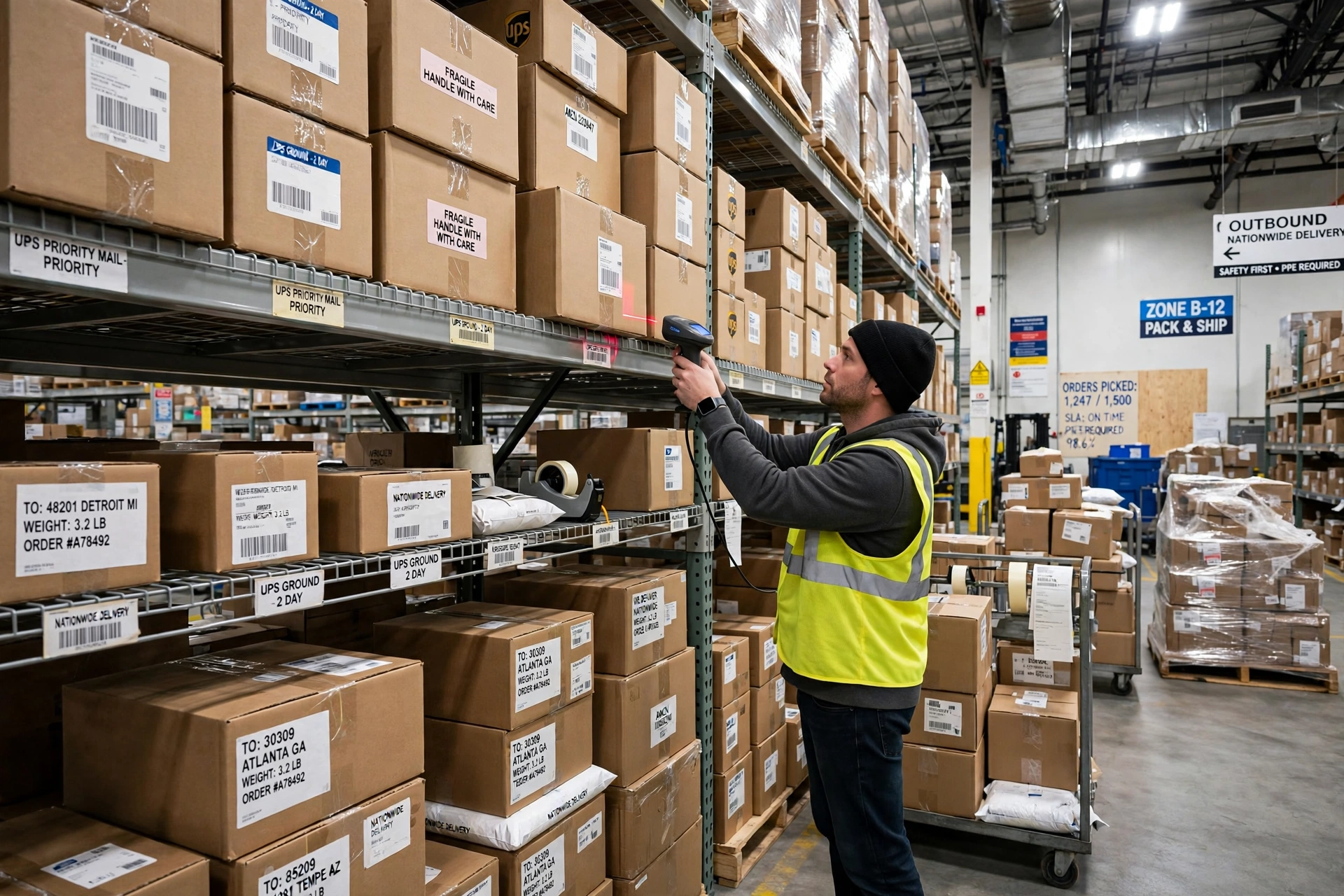
We shortlist third-party logistics providers, including warehouses in Phoenix Metro, compare quotes and coordinate onboarding and the first inbound shipment.
A returns policy that meets marketplace rules and U.S. customer expectations, plus a process for inspection, restock or disposal with your 3PL.
We help you choose payment processors and connect them to your U.S. bank account and accounting, so payouts and fees reconcile every month.
How it works
Arizona angle
Phoenix Metro is an established distribution hub for the Southwest, with rail and highway links to Southern California ports and to northern Mexico. Our home base here lets us visit warehouses with you and work with local providers.
| Arizona TPT point | What it means for an online seller |
|---|---|
| Physical presence in Arizona | Sellers with a physical presence generally need a TPT license regardless of sales volume ($12 per location). |
| Remote sellers | A license is required once Arizona sales reach $100,000 in the current calendar year. |
| Sales only through marketplaces | A seller who sells only through marketplace facilitators is not required to get a TPT license, even with a physical presence in Arizona. |
| Retail rates (late 2026) | State 5.6%; Maricopa County combined 6.3%; Phoenix 9.1% and Chandler 7.8% total. |
Each state sets its own sales tax and marketplace rules. We work with sellers anywhere in the U.S. remotely and coordinate with sales tax professionals for other states.
Who does what: BDC plans and coordinates the launch. Sales tax registrations and filings are confirmed by your CPA or sales tax provider, product compliance and customs questions go to licensed professionals, and marketplaces, payment processors and 3PLs run their own services.
Related guides
Marketplaces, own store, distributors and reps compared.
Read the guideHow to check demand and pricing before you ship inventory.
Read the guideSales tax and income tax basics for online sellers.
Read the guideSome marketplaces accept foreign sellers, but a U.S. company with a U.S. bank account usually makes payments, payouts, taxes and fulfillment simpler. We help you decide when to form one.
In states with marketplace facilitator laws, the marketplace generally collects and remits sales tax on sales made through it. Sales on your own store remain your responsibility, so plan both.
That depends on where your customers are and how fast you need to ship. Inventory stored in a state can create tax presence there, so your CPA should review the plan.
It can serve the Southwest and West Coast efficiently, and we can visit the warehouse with you. If most of your customers are elsewhere, we will look at providers closer to them.
Online sales can work alongside a distributor, but channel conflict over pricing and territory is common. We review your existing agreements with you, and your attorney confirms what they allow, before we plan direct online sales.
We set up the launch and review results. For ongoing advertising or listing management, we introduce specialist agencies or freelancers.
Talk to BDC
Tell us where you are and what you want to achieve. We usually reply within one business day with clear next steps, whether you are entering the U.S. market, buying a business or planning your exit.