

Foreign-Owned LLC Reporting: Form 5472 and Pro Forma Form 1120 Explained
A U.S. LLC with one foreign owner usually owes the IRS an annual Form 5472 with a pro forma Form 1120, even with no income. Here…
Insights
Selling online into other states can make you a sales tax collector there, even with no office or staff. Here is how economic nexus works, with thresholds for seven large states.
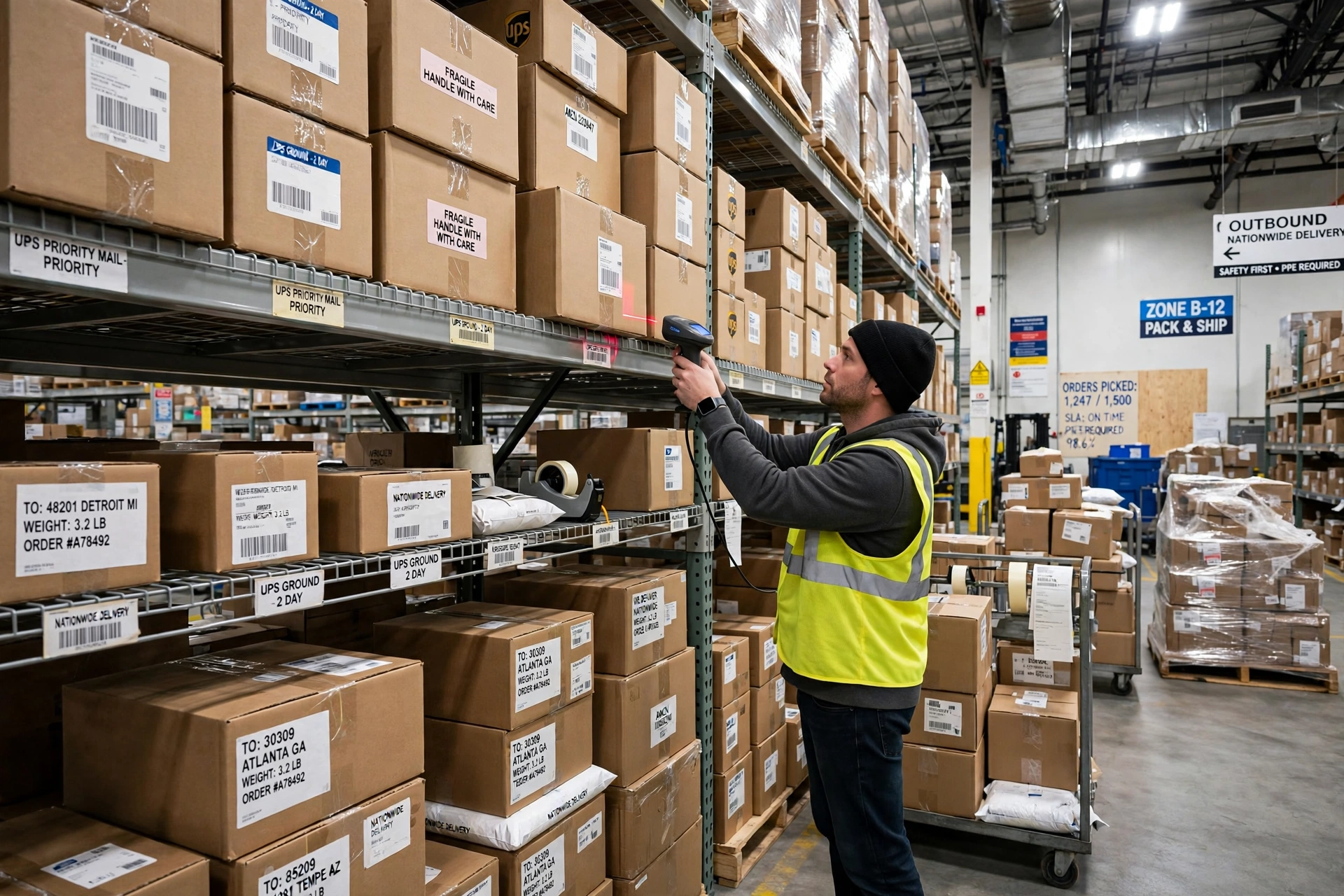
A company based in Arizona, or abroad, starts selling online. Orders arrive from California, Texas and New York. At some point the question comes up: do we have to collect sales tax in those states, too?
Often the answer is yes. Since 2018, states can require out-of-state sellers to register, collect and file sales tax once their sales into the state pass a set level, even if the seller has no office, employee or warehouse there. This connection is called “nexus,” and the sales-based version is “economic nexus.”
This guide is for e-commerce founders, foreign companies shipping to U.S. customers, and anyone buying an online business who needs to know what tax exposure comes with it.
For decades, a state could only require a seller to collect its sales tax if the seller was physically present there. In South Dakota v. Wayfair, Inc., decided June 21, 2018, the U.S. Supreme Court overruled that rule. States quickly passed economic nexus laws based on sales into the state.
Today you can have nexus in a state in two ways:
Five states have no statewide sales tax: Alaska, Delaware, Montana, New Hampshire and Oregon. Some Alaska localities still levy local sales taxes.
Each state sets its own dollar amount, what counts toward it and the period it measures. The table summarizes seven states as published on their tax agencies’ websites in November 2026.
| State | Threshold | Measuring period and notes |
|---|---|---|
| Arizona | $100,000 gross sales | Previous or current calendar year. Sales made through a marketplace facilitator are excluded from a remote seller’s total. |
| California | $500,000 | Total combined sales of tangible personal property for delivery in California, preceding or current calendar year. Related-person sales count. |
| Texas | $500,000 total Texas revenue | Preceding twelve calendar months. Includes taxable and nontaxable sales. |
| Florida | $100,000 taxable remote sales | Previous calendar year. |
| New York | $500,000 and more than 100 sales | Both tests, over the immediately preceding four sales tax quarters. |
| Illinois | $100,000 gross receipts | 12-month lookback. The 200-transaction test was eliminated January 1, 2026. |
| Washington | $100,000 combined gross receipts | Current or prior year. Counts all Washington receipts, including marketplace and exempt sales. |
Rules change. Several states dropped transaction-count tests in recent years, as Illinois did for 2026. Check each state’s own page before relying on a number.
If you sell through Amazon, Walmart Marketplace, Etsy or a similar platform, the platform is usually a “marketplace facilitator” required to collect and remit sales tax on sales it facilitates. This covers much of the tax for marketplace-only sellers, but not all of their duties:
Watch out: Tax you did not collect from customers does not disappear. If you should have been registered, the state can assess the tax, interest and penalties against your business. When you buy an online business, ask for this analysis before closing; see our due diligence checklist.
Arizona’s sales tax is the transaction privilege tax (TPT), a tax on the seller for the privilege of doing business, which sellers usually pass on to customers. The state rate is 5.6%, and county and city taxes are added, so the combined rate depends on location.
A remote seller with no physical presence in Arizona that crosses $100,000 needs a TPT license, which costs $12, covers state, county and city registration, and carries no city license fees. A seller with a physical presence here, such as a store, office or inventory, needs a TPT license regardless of sales volume and pays city license fees as well. Each year, ADOR asks remote sellers to check whether current-year Arizona sales meet the threshold to decide on renewal.
BDC helps founders map these obligations as part of e-commerce launch and works alongside licensed CPAs for registration and filings. Confirm your own position with a licensed tax professional.
Often not for marketplace sales, because Amazon collects as a marketplace facilitator. But inventory in a state’s fulfillment centers may create physical nexus, and some states still expect registration. Check state by state.
Yes. Economic nexus laws apply to any seller whose sales into the state exceed the threshold, wherever the seller is located.
It depends. Florida counts taxable remote sales; Texas counts total Texas revenue, including nontaxable sales; Washington counts all Washington receipts.
Each state sets its own start date. Arizona starts after a 30-day window; Texas requires collection by the start of the fourth month after you crossed.
No. A permit registers you to collect tax. Licenses to operate are covered in Business Licenses in the USA.
Keep reading
A U.S. LLC with one foreign owner usually owes the IRS an annual Form 5472 with a pro forma Form 1120, even with no income. Here…
Talk to BDC
Tell us where you are and what you want to achieve. We usually reply within one business day with clear next steps, whether you are entering the U.S. market, buying a business or planning your exit.